

STRIKE TEAM
Big ideas, real impact.
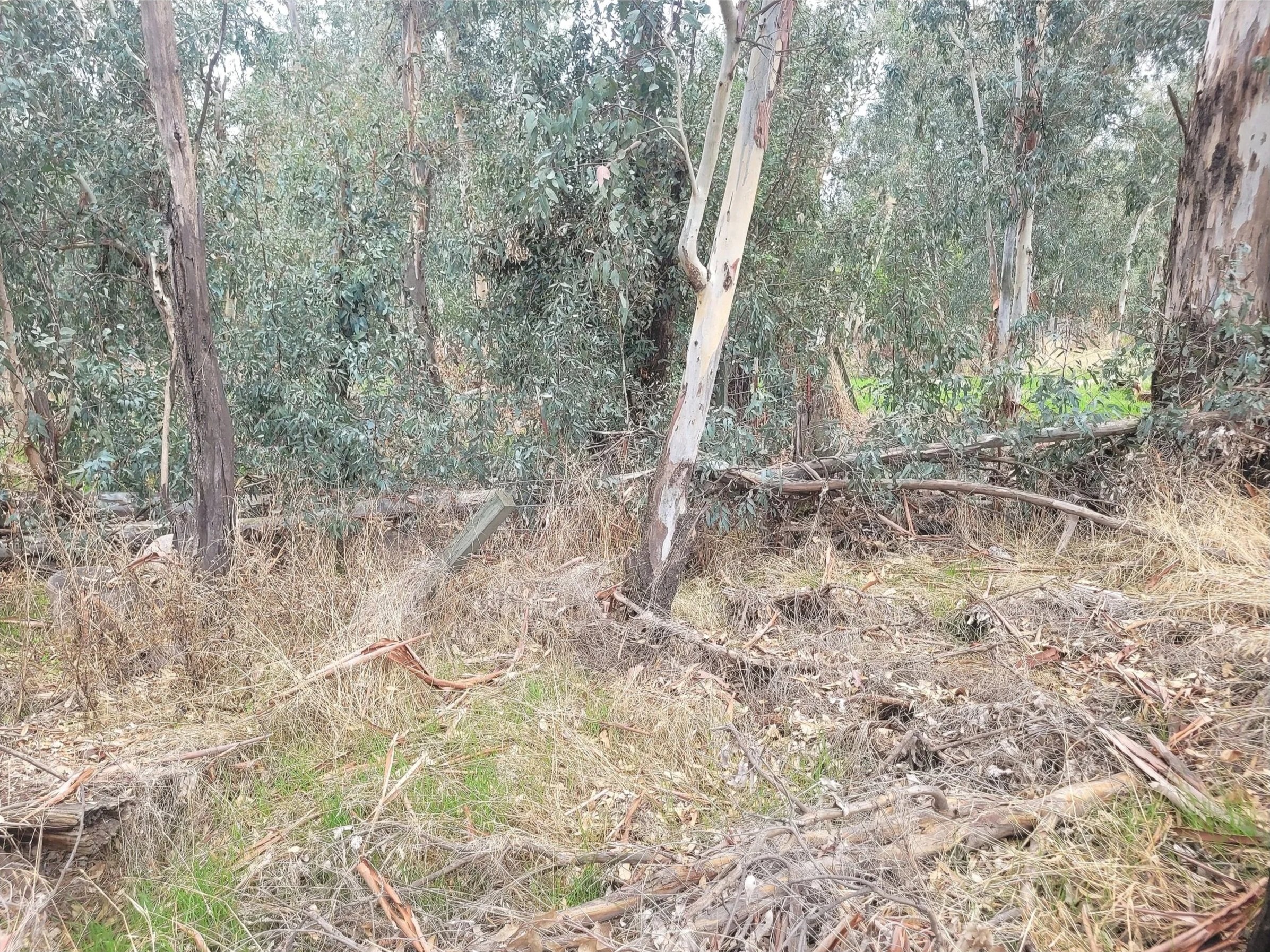
This type of property is the primary focus of the Herald Volunteer Strike Team. The area shows multiple layers of fire hazard:
Ground Fuels: Dry grass and fallen leaves (the flash fuel).
Ladder Fuels: Low-hanging branches and brush connecting ground fires to the canopy.
Canopy Fuels: The highly volatile eucalyptus leaves and bark.
Our Strike Team is specifically trained to work in environments like this, creating Defensible Space and reducing the Wildland Urban Interface (WUI) risk to protect homes and lives
Strike Team Operational Process
Once a property is selected and all liability agreements are finalized, the Herald Volunteer Strike Team follows a meticulous, step-by-step process to ensure effective and safe fuel reduction work.
1. Preparation & Agreements
This initial phase ensures safety, liability, and a clear understanding of the work to be done.
Liability Finalized: All necessary liability waivers are secured, including insurance confirmation from the HFPC's provider and signed Hold Harmless Agreements from all participating volunteers and the homeowner.
Property Walk-Through: A representative from the Local Fire Department conducts a detailed walk-through of the property with the Strike Team Crew Chief and the Homeowner. All recommended vegetation management & mitigation are recommendations, NOT mandates. However, ALL recommendations are based on experience as it relates to defensible space and wildfire safety and preparedness
Scope of Work Defined: The walk-through results in a signed, detailed Scope of Work (SOW) document, outlining specific goals for defensible space and fuel reduction. The homeowner signs all necessary agreements, including the final SOW.
2. Crew Briefing & Logistics
This phase ensures every volunteer is prepared, trained, and knows their specific role before stepping onto the property.
SOW Delivery: The official Scope of Work (SOW) is provided directly to the assigned Crew Chief.
Volunteer Briefing: The Crew Chief holds a mandatory meeting for all participating volunteers, typically at the Fire Department. The meeting covers:
Review of the Scope of Work (SOW).
Safety protocols and hazard identification (relevant to the property's specific challenges, like the eucalyptus density).
Assignment of equipment and team roles (e.g., chain saw operator, hauling, safety spotter, etc.).
3. Execution & Support
This is the day of action, where the plan is executed with logistical support provided by the HFPC.
Deployment: The following week, the Strike Team meets promptly at the assigned property/work area.
Logistical Support: The HFPC ensures the team remains energized and hydrated by providing breakfast and lunch, as well as ample water on-site.
Execution: The Crew Chief directs the team to execute the Scope of Work safely and efficiently, focusing on completing the agreed-upon fuel reduction tasks.
HFPC Strike Team – Mission Statement
Purpose
The Herald Fire Prevention Council Strike Team exists to provide rapid, coordinated wildfire prevention and resilience services. By mobilizing trained volunteers, assessing property risks, and engaging directly with landowners, the team reduces fuel loads, strengthens defensible space, and protects rural communities from catastrophic fire.
Core Objectives
Rapid Mobilization: Deploy trained crews to high-risk properties and priority zones.
Hazard Assessment: Identify and prioritize wildfire threats through systematic property evaluations.
Community Liaison: Build trust and cooperation with property owners to ensure safe, effective operations.
Outreach & Visibility: Document and share impact through visual aids, ad content, and community campaigns.
Fundraising & Sustainability: Secure resources through grants, donor outreach, and nonprofit partnerships.
Data & Accountability: Track volunteer hours, funds, and measurable outcomes to demonstrate impact and transparency.
Team Roles
Matthew Atkins – Volunteer Crew Chief
James Hendricks – Job Assessment Lead
Jim Cunningham – Property Front Man
Mark Owens – Ad Content & Visual Aids
Shannon Bowley – Fundraising & Development
Justin Walker – Data & Metrics Coordinator
Future Members – Additional roles as needed to expand capacity
Vision
To model a scalable, community-driven strike team that demonstrates how rural California can mobilize quickly, reduce wildfire risk, and build lasting resilience through collaboration, documentation, and outreach.