

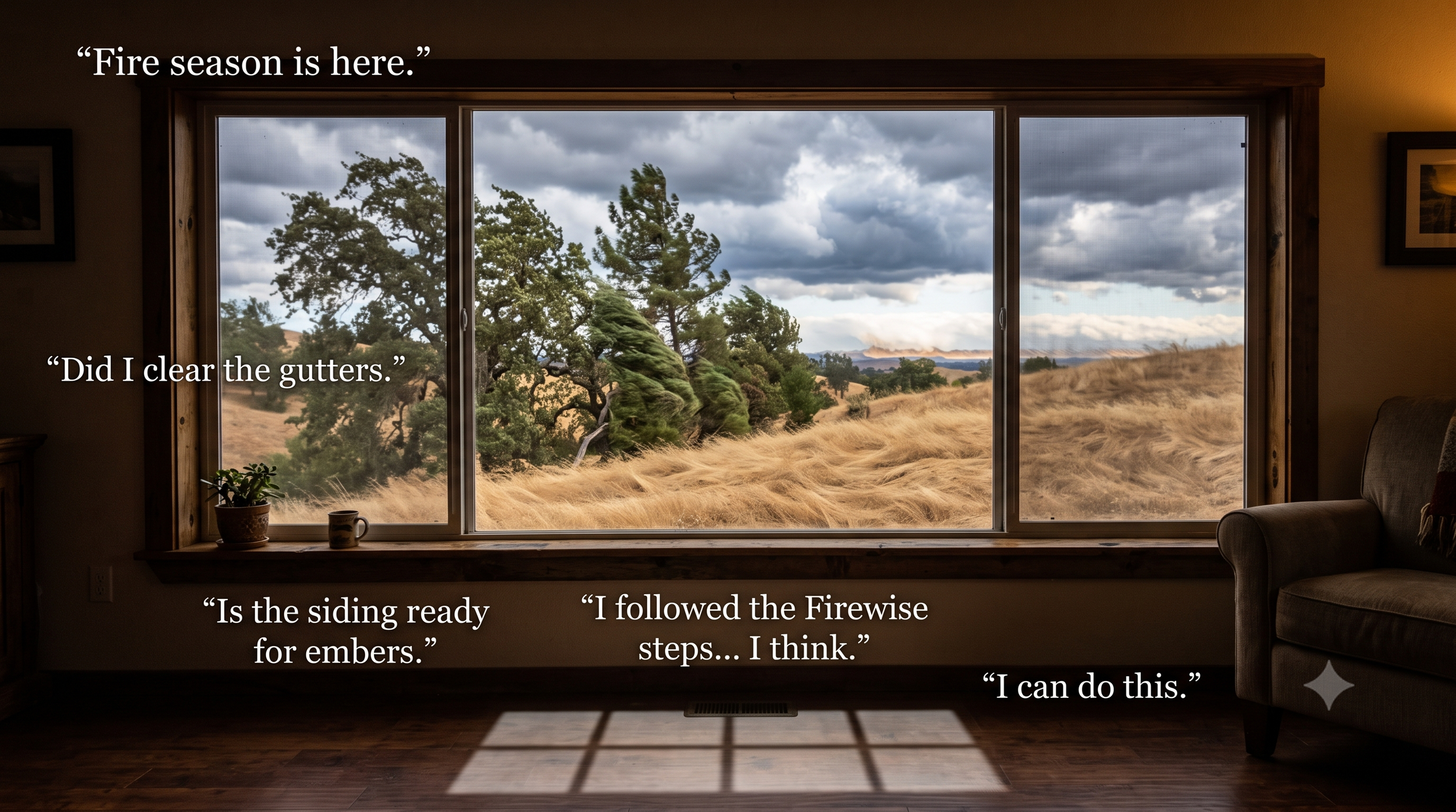
Your home has already made its decision — long before you smell smoke.
Wind, heat, and embers don’t negotiate. They simply look for a weakness.
Every home in Herald has a wildfire profile — a set of conditions that determine how it will behave when embers arrive.
Some homes resist. Some homes ignite.
The difference is rarely luck. It’s preparation.
Find your home’s wildfire profile — in 30 seconds.
A quick, honest look at the three places embers try to enter.
Card 1 Roof & Gutters
Icon: simple roofline outline Title: Roof & Gutters Copy:
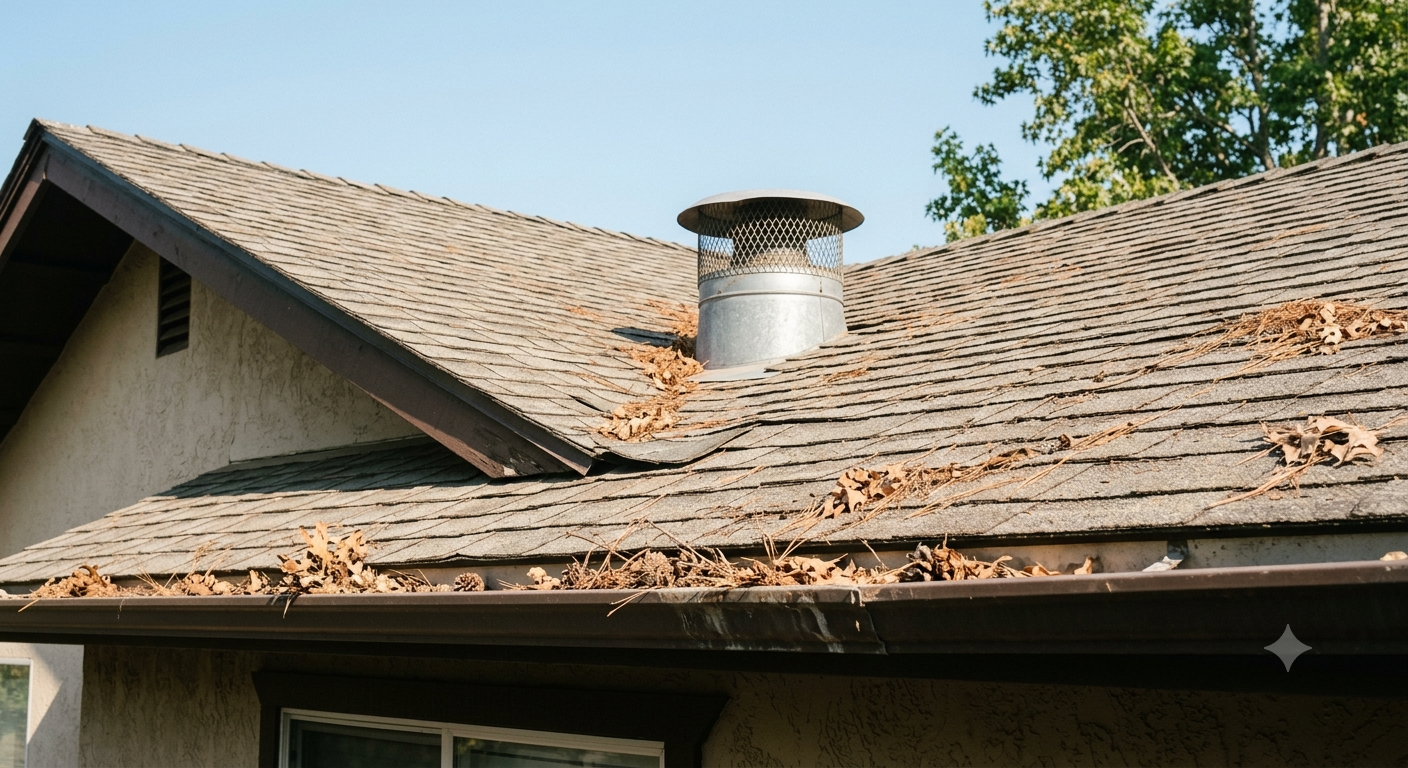
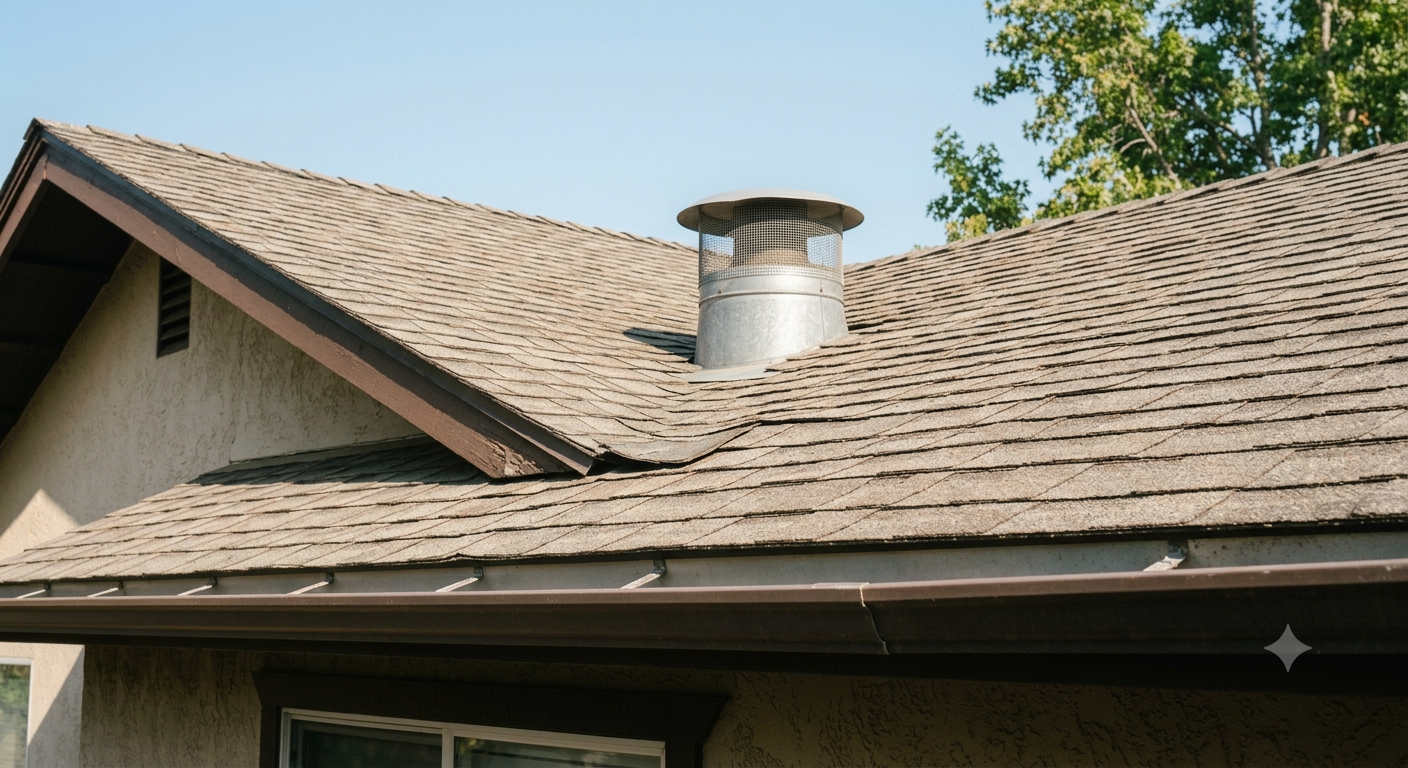
Embers land here first. Clear debris, check shingles, and make sure gutters aren’t holding dry material.
Self-check question:
“Are my gutters clear and my roof in good condition?”
Siding & Vents
Icon: house wall outline Title: Siding & Vents Copy:
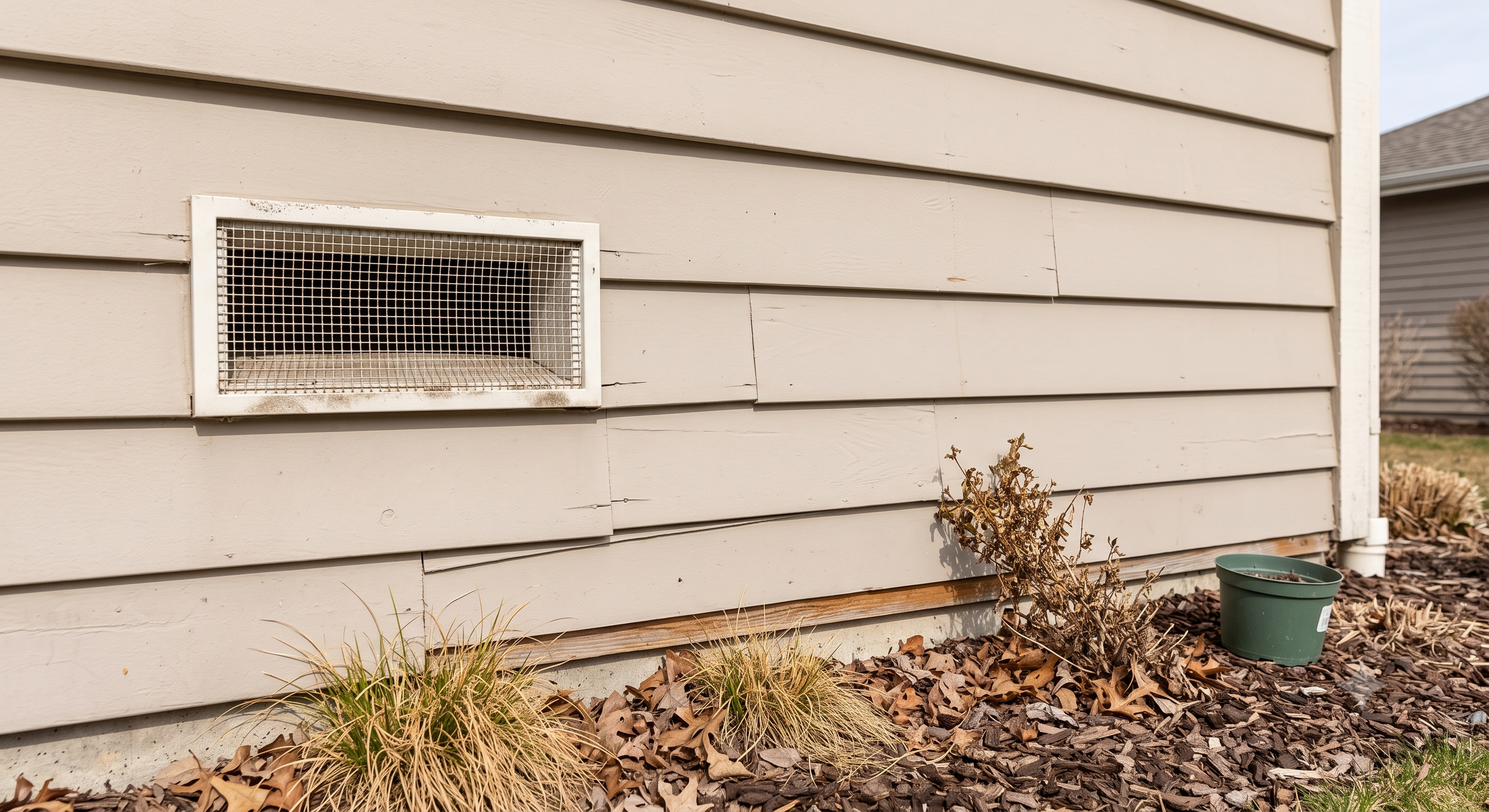
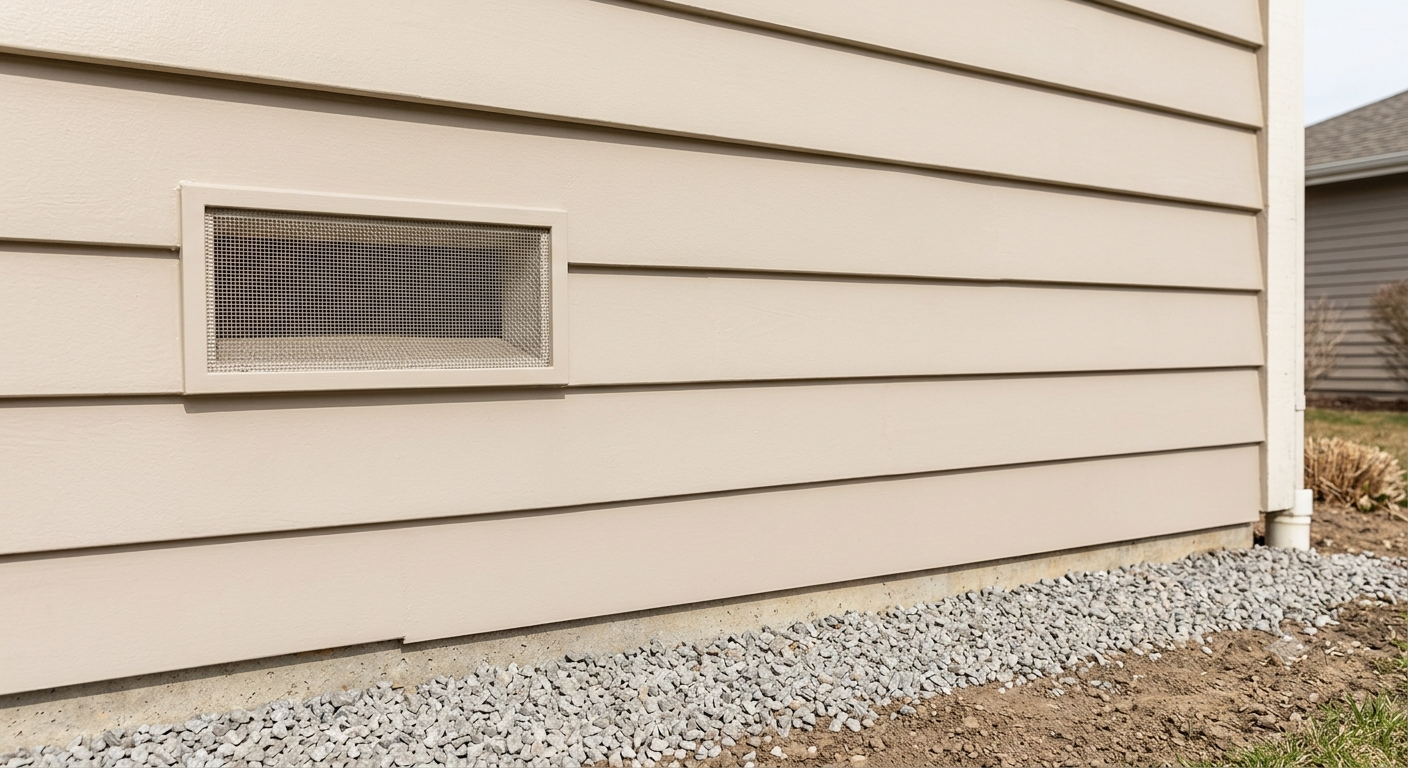
Embers look for gaps, cracks, and openings. Vents, siding joints, and exposed wood are common ignition points.
Self-check question:
“Are my vents screened and my siding sealed?”
If you answered “no” to any of these, you’re not alone — and you’re not in danger. You just have a starting point.
This line is essential. It keeps the visitor from feeling overwhelmed or judged.
See how small changes make a home wildfire‑ready.
These aren’t expensive upgrades. They’re simple, doable steps that change everything.
Clear Your First 5 Feet
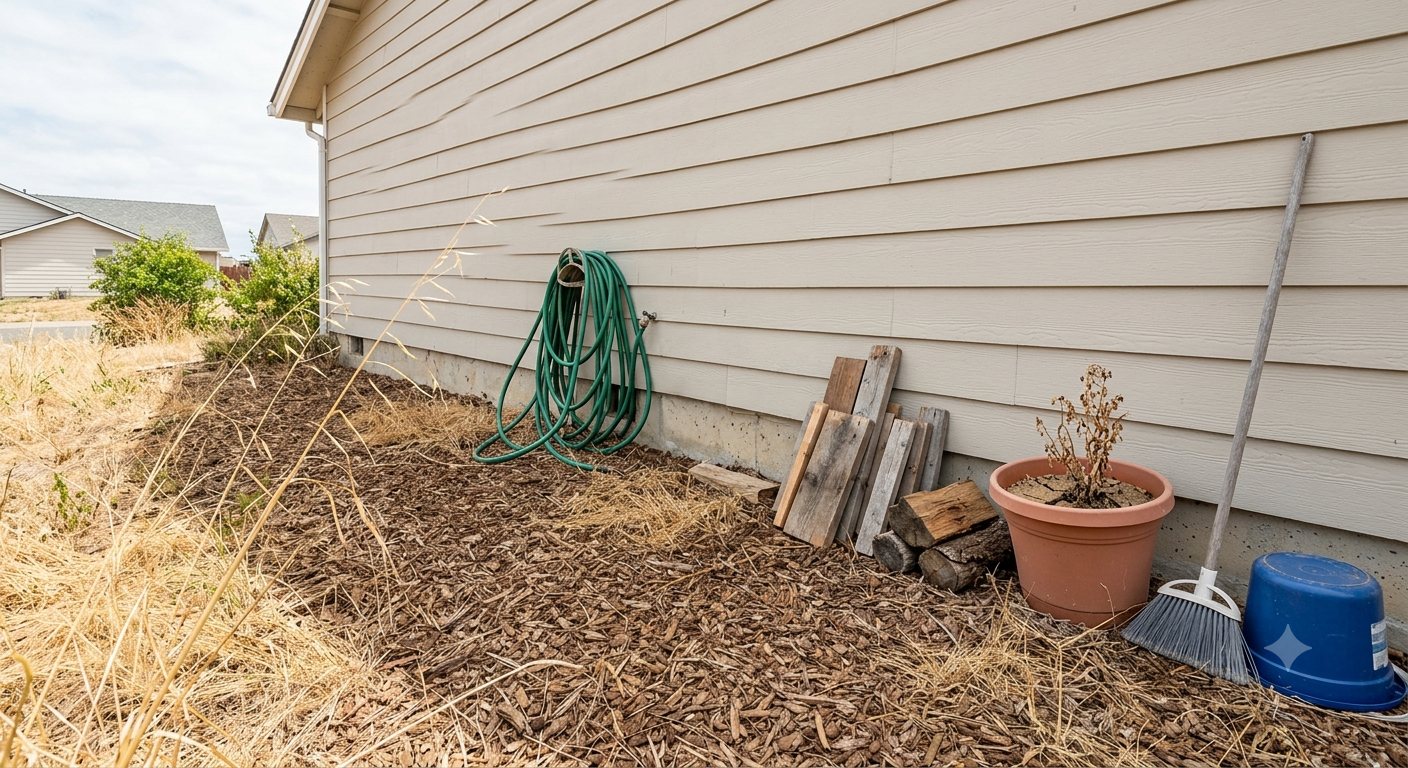
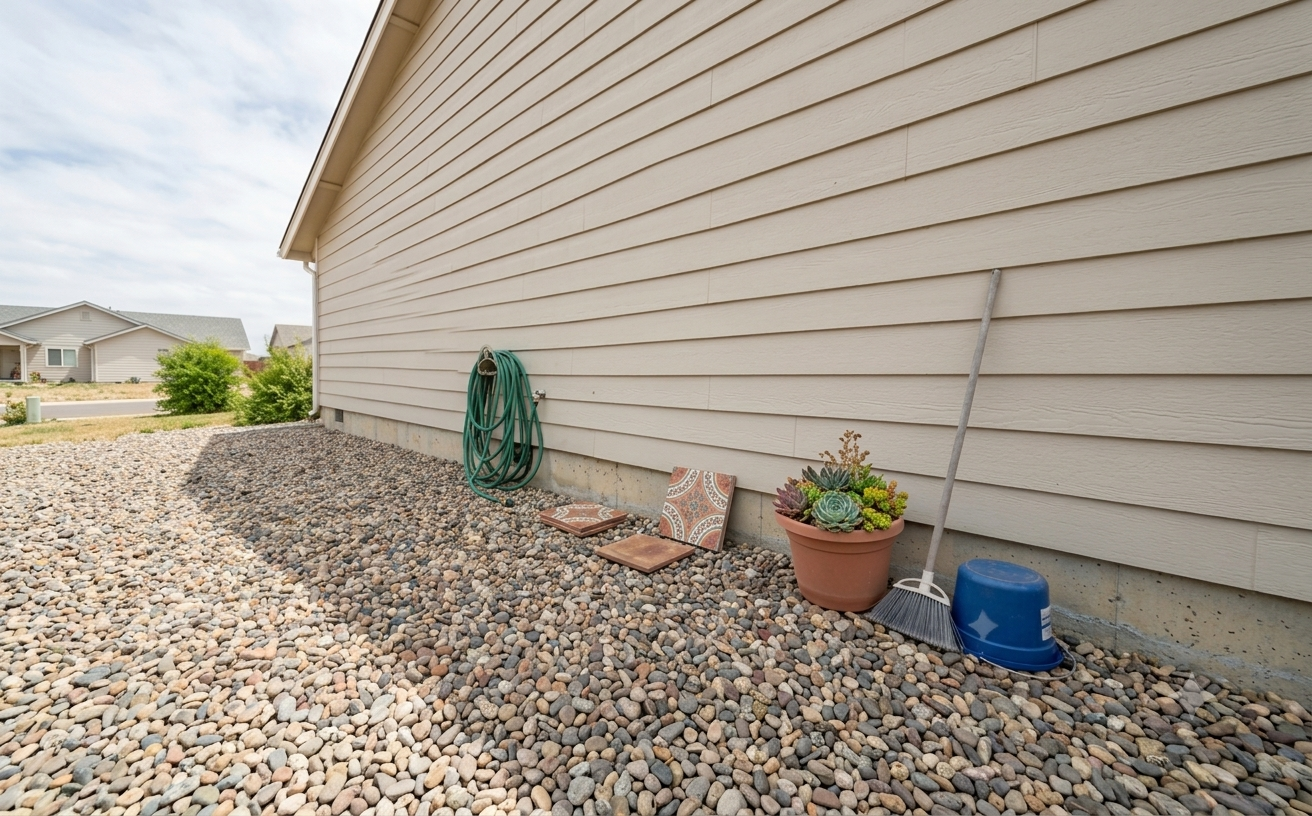
This is the most important Firewise action. Remove mulch, dry grass, wood piles, and anything touching your home.
If you only do one thing this week, do this.
Form the Local Firewise Board
Herald already has this: The Herald Fire Prevention Council. This group coordinates education, assessments, cleanup days, and documentation.
Resident contribution:
Attend meetings
Volunteer for events
Share Firewise information with neighbors
This is a 3‑year plan outlining what Herald will do to reduce wildfire risk. It includes:
Vegetation management
Home hardening education
Community cleanup days
Vent screening support
Brush removal coordination
Resident contribution:
Participate in cleanup days
Follow the home‑hardening steps
Clear the first 5 feet around their home
Screen vents
Maintain gutters and roofs


Clear Your First 5 Feet
This is the most important Firewise action. Remove mulch, dry grass, wood piles, and anything touching your home.
If you only do one thing this week, do this.
Need help? We’ve got you.
Herald Fire Prevention Council offers:• Brush removal + tree service support CCC
Email: lcjames@heraldfiecouncil.org
Firewise isn’t a label — it’s a community commitment. Here’s how Herald earns it.
Track Volunteer Hours and Mitigation Work
Firewise USA requires communities to log annual mitigation hours. Herald must meet a minimum number based on population.
Resident contribution: Every resident’s effort counts as official Firewise credit:
Clearing brush
Cleaning gutters
Removing mulch
Screening vents
Attending workshops
Helping neighbors
Participating in community events
Even 30 minutes of work counts.
Clean Your Roof & Gutters
Embers land here first. A clean roof and gutter can stop an ignition before it starts.
Complete a Community Wildfire Risk Assessment
This is a formal evaluation of Herald’s wildfire exposure — vegetation, home spacing, access roads, wind patterns, and ember pathways.
Resident contribution:
Allow home assessments
Provide feedback on neighborhood conditions
Identify local hazards (overgrown lots, dead trees, etc.)
Submit Annual Renewal to NFPA Firewise USA
Each year, Herald submits:
Updated risk assessment
Action plan progress
Volunteer hours
Photos of community work
Documentation of resident participation
Resident contribution:
Keep doing the small steps
Report your Firewise work (we’ll provide a simple form)
Stay engaged with the Herald Fire Prevention Council
Herald becomes a Firewise Community when all of us take small steps — together. Your home’s readiness is part of our community’s certification.